From Classical Training to Experimental Sound: A Ten-Year Journey
The path from formal conservatory training to the world of experimental sound is rarely linear. It often involves a gradual accumulation of skills, influences, and experiences that reshape an artist’s understanding of what music can be. This article examines a ten-year journey that began within the structured environment of classical music education and eventually led to participation in avant-garde projects. By focusing on key phases—mentorship, early band experiences, and critical creative choices—it is possible to understand how such a transition unfolds over time.
For many musicians, conservatory training provides a rigorous foundation in technique, theory, and interpretation. However, the same training can also serve as a springboard for exploring sounds and structures that lie outside traditional repertoire. The following sections outline how one artist navigated this evolution, highlighting the role of mentors, the formation of first bands, and the decisions that gradually shifted the creative direction. The discussion remains process-oriented, emphasizing context and methodology rather than specific outcomes.
“The transition from classical training to experimental sound is not a rejection of one’s past, but a recontextualization of skills and sensibilities.”
Foundations in Conservatory Training
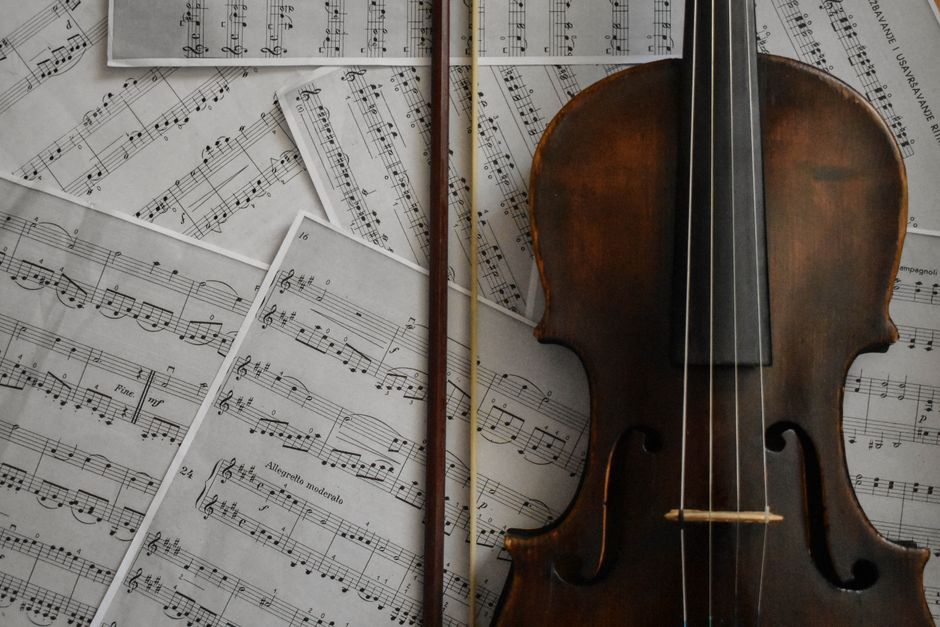
Conservatory studies typically emphasize precision, historical awareness, and interpretive fidelity. Students spend years refining their technique on an instrument, studying harmony and counterpoint, and performing works from the classical canon. This environment cultivates discipline and a deep understanding of musical structure. For the artist in question, these years provided a vocabulary that would later prove essential when approaching unconventional musical ideas.
At the same time, conservatory training often exposes students to the limits of traditional notation and performance practice. Some musicians begin to question whether the skills they acquire can be applied to other forms of expression. This questioning does not necessarily arise from dissatisfaction; rather, it emerges from curiosity about what lies beyond the established framework. In this case, the artist’s interest in experimental sound grew gradually, nurtured by encounters with contemporary composition and improvisation.
It is important to note that the conservatory experience is not monolithic. Different institutions and teachers offer varying degrees of flexibility. Some programs encourage cross-disciplinary exploration, while others adhere more strictly to traditional curricula. The artist’s own experience included both rigorous classical training and elective courses in electronic music and free improvisation. These electives planted seeds that would later influence creative decisions.
The Role of Mentors in Shaping Direction
Mentors play a significant role in an artist’s development, particularly during the transition from student to practitioner. In the case of this journey, several mentors provided guidance that helped bridge the gap between classical training and experimental pursuits. One mentor, a composition teacher with an interest in avant-garde music, introduced the artist to the works of composers who challenged conventional notation and performance. This exposure expanded the artist’s understanding of what could be considered musical.
Another mentor, a performer known for interdisciplinary collaborations, encouraged the artist to explore extended techniques on their instrument. These techniques—such as unconventional bowing, prepared piano, or multiphonics—required a rethinking of traditional playing methods. The mentor emphasized that technique should serve expression, not constrain it. This perspective helped the artist develop a more flexible approach to performance.
Mentors also provided practical support, such as inviting the artist to participate in workshops, readings, and informal concerts. These opportunities allowed the artist to test new ideas in front of audiences and receive feedback. Over time, the mentor-student relationship evolved into a peer relationship, with mutual respect and ongoing dialogue. The influence of these mentors can be seen in the artist’s subsequent projects, which often blend classical elements with experimental approaches.
Formation of First Bands and Collaborative Projects
Following conservatory studies, the artist began to seek out like-minded musicians to form bands and collaborative projects. These early groups were often fluid, with members coming from diverse musical backgrounds. Some were classically trained, while others came from jazz, rock, or electronic music. This diversity created a fertile ground for experimentation, as each member brought different assumptions and skills to the rehearsal room.
The first bands typically performed in small venues, such as galleries, cafes, and alternative spaces. These settings allowed for intimate performances and encouraged audience interaction. The music often combined composed sections with improvisation, and the use of electronic effects and found objects became common. The artist’s classical training provided a solid grounding in form and pacing, while the experimental context allowed for spontaneity and risk-taking.
Collaboration also meant negotiating creative differences. Decisions about repertoire, performance style, and even instrumentation were often made collectively. This process required compromise and communication, skills that are not always emphasized in conservatory training. Over time, the artist learned to balance personal vision with group dynamics, a lesson that would prove valuable in later projects.
- Early bands often had rotating line-ups, which exposed the artist to a wide range of playing styles.
- Performances took place in non-traditional venues, requiring adaptability and resourcefulness.
- Rehearsals frequently involved collective composition and structured improvisation.
- Recordings were often made informally, serving as documentation rather than commercial products.
Pivotal Creative Decisions
As the artist gained experience, certain creative decisions became pivotal in shaping the direction of the journey. One such decision was to move away from strictly notated music and toward graphic scores and text-based instructions. This shift allowed for greater interpretative freedom and invited performers to contribute their own ideas. It also required the artist to develop new skills in communicating musical intent without relying on traditional notation.
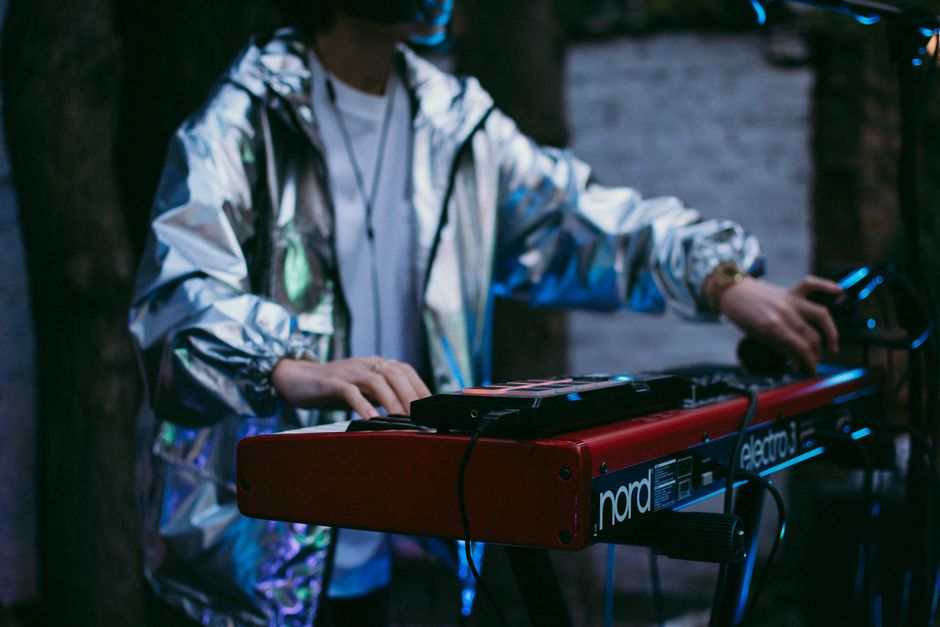
Another pivotal decision involved the incorporation of technology into live performance. The artist began using laptops, sensors, and custom software to process and manipulate sound in real time. This integration of technology expanded the sonic palette and opened up new possibilities for interaction between acoustic instruments and electronic elements. However, it also introduced technical challenges that required ongoing learning and problem-solving.
A third decision concerned the balance between solo work and collaborative projects. The artist chose to maintain both, recognizing that each context offered different opportunities for growth. Solo work allowed for deep exploration of personal ideas, while collaborations provided feedback and unexpected directions. This dual approach became a defining feature of the artist’s practice.
These decisions were not made in isolation. They were informed by mentors, peers, and the broader musical community. They were also influenced by practical considerations, such as available resources, performance opportunities, and audience response. The cumulative effect of these choices gradually transformed the artist’s identity from a classically trained performer to an experimental sound artist.
Reflections on the Journey
Looking back over a decade of activity, several themes emerge. First, the transition from classical training to experimental sound is rarely abrupt; it is a gradual process of accretion and adaptation. Second, mentors play a crucial role in providing both inspiration and practical guidance. Third, collaborative projects offer invaluable experience in negotiation and collective creativity. Fourth, pivotal decisions often arise from a combination of curiosity, opportunity, and necessity.
It is also important to acknowledge the role of external factors. Financial constraints, geographical location, and access to technology can all influence the direction of an artist’s development. The journey described here is not a template but an example of how one artist navigated these factors over time. The outcome is not guaranteed, and it depends on many variables that are beyond any single individual’s control.
For those considering a similar path, the experiences outlined here may offer useful context. However, each artist’s journey is unique, shaped by personal circumstances and choices. The value lies not in replicating a specific route but in understanding the processes that support artistic growth. By examining the roles of training, mentorship, collaboration, and decision-making, it becomes possible to appreciate the complexity of moving from classical foundations to experimental frontiers.
StageLight Media recognizes the importance of documenting and sharing such journeys, as they contribute to a broader understanding of artistic development. Through interviews, profiles, and educational content, the platform aims to provide insight into the diverse pathways that musicians take. This article is part of that ongoing effort to highlight the processes behind creative evolution.