Introduction
The creation of an album that blends jazz and electronic music represents a complex artistic endeavor, one that requires a careful balance between structured composition and spontaneous improvisation. In recent years, a growing number of musicians have explored this hybrid territory, drawing on the rich history of jazz while embracing the limitless possibilities of electronic sound design. This article examines the journey of one such project, focusing on the studio sessions, the contributions of guest musicians, and the production techniques that shaped its final form.
By nature, jazz emphasizes live interaction, subtle timing variations, and individual expression, whereas electronic music often relies on programmed rhythms, synthesized timbres, and precise editing. Merging these two approaches is not simply a matter of layering one on top of the other; it involves a deliberate negotiation between spontaneity and structure. The resulting music can offer listeners a unique experience, one that feels both familiar and novel. Understanding how this fusion is achieved provides insight into the evolving landscape of contemporary music production.
This exploration is based on interviews, session documentation, and observation of the creative process. It does not aim to prescribe a definitive method, as each project develops its own logic and workflow. Instead, it highlights the decisions made, the challenges encountered, and the solutions found, offering a window into the collaborative and technical dimensions of such an undertaking.
Creative Foundations and Initial Planning
Before any recording began, the core artists spent several months in pre-production, exchanging ideas and sketches. These sessions were not about finalizing songs but about establishing a common vocabulary. The jazz musicians brought in lead sheets and chord progressions, while the electronic producers shared rhythmic patterns and sound palettes. Through this dialogue, they identified the key aesthetic directions: a preference for warm analog textures, a willingness to let improvisations run their course, and a desire to integrate mechanical and human elements seamlessly.
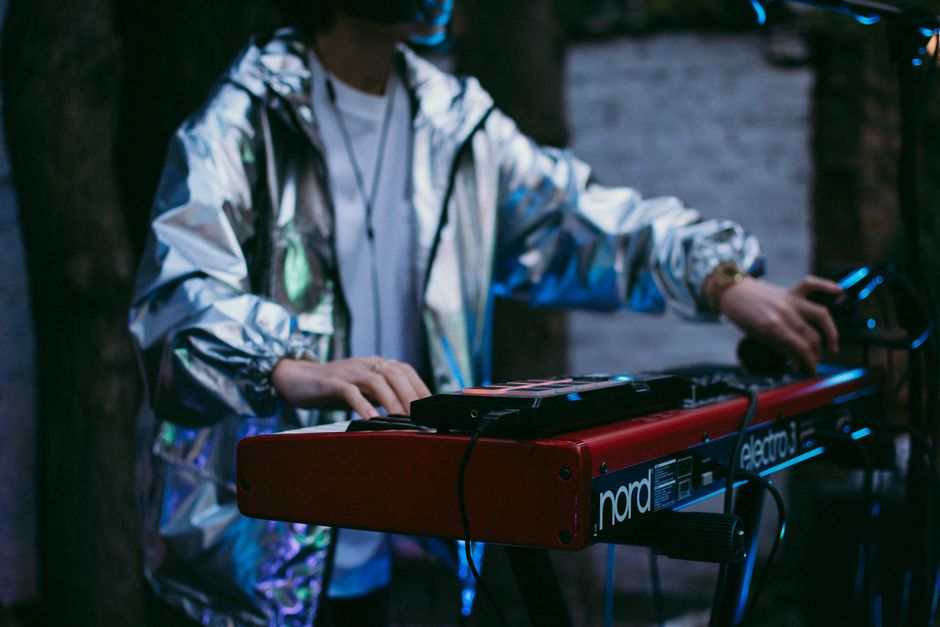
One early decision was to avoid treating electronic elements as mere background. Instead, synthesizers and drum machines were positioned as equal voices alongside the traditional instruments. This meant that the electronic parts were often performed live or manipulated in real time, rather than being pre-programmed and fixed. The team also agreed to keep the editing process minimal during tracking, preserving the raw energy of the performances. This approach required a high level of trust among the participants and a shared commitment to capturing the moment.
The planning phase also involved selecting the studio environment. The chosen space offered both a large live room for ensemble recording and a separate control room with an extensive array of vintage and modern gear. The acoustics allowed for natural bleed between instruments, which later became an integral part of the album’s character. Additionally, the studio’s collection of analog synthesizers, modular systems, and effects units provided a rich source of inspiration.
Studio Sessions and Improvisational Process
Recording took place over several weeks, with sessions typically lasting six to eight hours. Each day began with a brief discussion of goals, but the majority of time was dedicated to playing. The jazz musicians would start with a motif or a rhythmic feel, and the electronic musicians would respond by shaping sounds in real time. This call-and-response dynamic became the heart of the sessions. Occasionally, a single take would extend beyond fifteen minutes, allowing ideas to develop organically. Later, these long takes were edited down to their most compelling sections.
Microphone placement was crucial. For the acoustic instruments, a combination of close and room mics was used to capture both detail and ambience. The electronic instruments were mostly recorded direct, but some were also miked through amplifiers to add texture. The engineers paid special attention to phase relationships and bleed, ensuring that the final mix would have clarity without losing the cohesive feel of a live performance. Headphone mixes were customized for each musician, with different balances of click track and backing elements depending on their role.
Improvisation was not limited to solos; it extended to the manipulation of electronic parameters. For example, a synthesizer player might alter filter settings or delay times in response to a saxophone phrase, creating a continuous feedback loop. This interactive approach demanded that everyone stay alert and receptive. The producers noted that some of the most memorable moments occurred when a musician reacted to an unexpected sound, leading the music in a new direction. Such moments were preserved whenever possible.
To manage the vast amount of recorded material, the team employed a meticulous labeling system. Each take was logged with notes on instrumentation, mood, and key. This organizational discipline proved essential during post-production, when hundreds of hours of audio had to be sifted through. The goal was to retain the spontaneity of the performances while crafting a coherent listening experience.
Guest Musicians and Collaborative Dynamics
The album features several guest musicians, each bringing a distinct voice to the project. A renowned trumpet player contributed solos on two tracks, his lyrical lines weaving through layers of synthesized pads. A percussionist specializing in hand drums added rhythmic complexity, often interacting with programmed beats in unexpected ways. A vocalist lent ethereal wordless melodies to a ballad, her voice treated with subtle reverb and delay to blend with the electronic atmosphere.
These guests were integrated into the sessions with minimal rehearsal. They were given rough mixes of the backing tracks and encouraged to respond intuitively. The producers deliberately avoided over-directing, preferring to capture fresh interpretations. In some cases, the guests recorded multiple passes, and the best elements were comped together. The collaborative spirit extended beyond the studio; some guests also participated in mixing discussions, offering feedback on how their parts sat in the overall balance.
One notable challenge was ensuring that the guest contributions felt like a natural extension of the core group rather than tacked-on additions. This was achieved by recording everyone together whenever possible, so that the guests could interact with the core musicians in real time. When scheduling conflicts prevented this, the guests recorded to the same backing tracks, and their performances were later aligned and blended. The result is a cohesive sound that belies the logistical hurdles.
StageLight Media documented these sessions, capturing behind-the-scenes footage and interviews that provide additional context. While the album stands on its own, these materials offer insight into the collaborative process. They highlight the mutual respect among the musicians and the shared goal of creating something greater than the sum of its parts.
Production Techniques and Sound Design
The production phase was where the raw material was shaped into its final form. The team adopted a hybrid workflow, combining analog outboard gear with digital audio workstations. Compressors, equalizers, and tape emulations were used to glue the diverse elements together. The electronic sounds were often processed through guitar pedals, modular effects, and tape delays to impart warmth and unpredictability. This hands-on approach ensured that the electronic textures felt organic and integrated.
Spatial processing played a significant role. Reverbs and delays were carefully tailored to create a sense of depth without muddying the mix. Some tracks feature wide stereo images, with instruments panned to create an immersive field. Automation was used extensively to introduce dynamic changes, such as a filter sweep that builds tension or a sudden drop that reveals a solo instrument. These movements were designed to complement the improvisational nature of the performances.
Another key technique was the use of resampling and re-amping. Musical phrases were recorded, then played back through amplifiers or re-recorded with added effects, blurring the line between acoustic and electronic. This process sometimes introduced noise or distortion, which were embraced as part of the sonic character. The producers often printed these processed versions and continued to layer them, building complexity gradually.
Mixing was done in stages, with frequent breaks to maintain perspective. The team relied on multiple monitoring systems, from large studio monitors to consumer headphones, to ensure translation across listening environments. They also sought feedback from trusted colleagues, though final decisions rested with the core artists. The goal was not to achieve technical perfection but to preserve the emotional core of the music.
Reflections and Takeaways
The completion of this album demonstrates that blending jazz and electronic music is a viable and rewarding pursuit, though it requires patience, open communication, and a willingness to experiment. The process is rarely linear; ideas are revisited, discarded, and reimagined. What emerges is a document of a specific time and place, shaped by the individuals involved and the technology at hand.
For those interested in exploring similar fusions, the experience suggests that a clear artistic vision, combined with flexible methods, can lead to compelling results. It also underscores the importance of capturing live interaction and treating electronic elements as expressive tools rather than mere ornamentation. While every project is unique, the principles of collaboration, listening, and respect for the material remain constant.
Ultimately, the album serves as a testament to the possibilities that arise when different musical worlds intersect. It invites listeners to engage with the music on multiple levels, appreciating both the spontaneous interplay and the meticulous craft behind its creation. As technology continues to evolve, such cross-pollination is likely to yield further innovations, enriching the broader musical landscape.